

Click below to learn more about this year’s funded projects!

Alex Chen
Ultrasound-Guided Photoacoustic Monitoring of Mitochondrial Therapies
Eno Hysi, Keenan Research Center for Biomedical Science, Unity Health, Department of Medical Biophysics, University of Toronto
Ori Rotstein, Department of Surgery, University of Toronto

Caresse Nian
Development of Polymeric Coatings and Viability Assays for Improving Mitochondria Transplantation
Frank Gu, Department of Chemical Engineering and Applied Chemistry, University of Toronto
Ana Andreazza, Department of Pharmacology & Toxicology, University of Toronto

Dide Yurtal
Optimizing Mitochondrial Transplantation in Engineered Models of Myocardial Ischemia-Reperfusion Injury
Milica Radisic, Institute of Biomedical Engineering, University of Toronto
Ana Andreazza, Department of Pharmacology & Toxicology, University of Toronto

Emily Fujiwara
Mitochondrial Gene Delivery for GRIN 1 Neurodevelopmental Disorder
Amy Ramsey, Department of Pharmacology & Toxicology, University of Toronto
Bowen Li, Leslie Dan Faculty of Pharmacy, University of Toronto

Gabriel Siebeger
Mitochondrial Transplantation to Recover Injured Donor Lungs and Increase Organ Availability for Patients on the Transplant Waitlist
Marcelo Cypel, Division of Thoracic Surgery, University Health Network, Professor of Surgery, University of Toronto
Ana Andreazza, Department of Pharmacology & Toxicology, University of Toronto

Huanyi Zhang
Uncovering Genetic Regulators of Intercellular Mitochondrial Transfer in Parkinson’s Disease Models
Valerie Wallace, Donald K. Johnson Eye Institute, Krembil Research Institute, University Health Network
Anaurag Tandon, Department of Medicine, University of Toronto

Lilian Huang
Enhancement of Mitochondrial Function Through Pharmacological Approaches as a Treatment for Ischemia-Reperfusion-Injury Following Hemorrhagic Shock/Resuscitation
Ori Rotstein, Department of Surgery, University of Toronto
Eno Hysi, Keenan Research Center for Biomedical Science, Unity Health, Department of Medical Biophysics, University of Toronto

Lucas Anderson
Mitochondrial Quality Control as a Therapeutic Target in Heart Failure
Jason Mayne, Department of Anesthesia and Pain Medicine, Hospital for Sick Children, Department of Biochemistry, University of Toronto
John Coles, Division of Cardiovascular Surgery, Hospital for Sick Children, University of Toronto
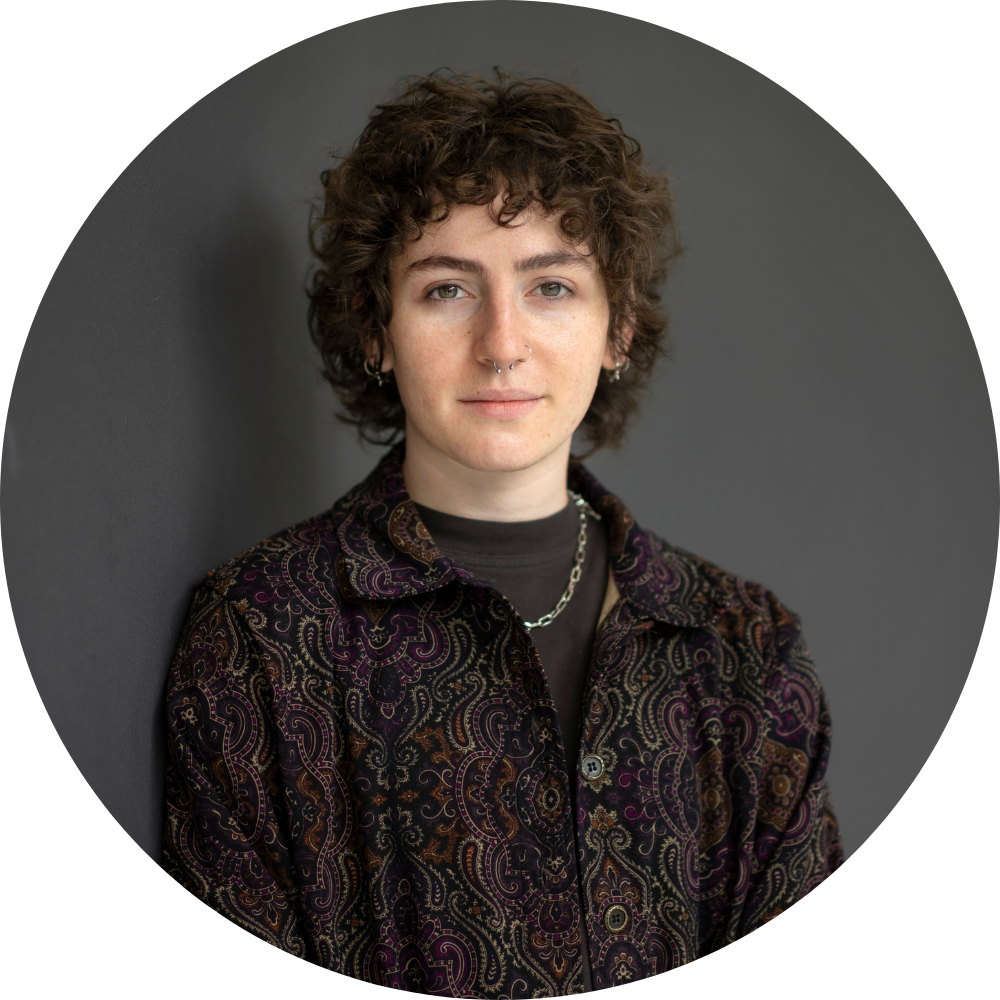
Mads Loewith
Rapid Screening of Forensic Biological Evidence using Digital Microfluidics-Driven Mitochondrial Haplogroup Assays
Aaron Wheeler, Department of Biomedical Engineering, Chemistry, University of Toronto
Ana Andreazza, Department of Pharmacology & Toxicology, University of Toronto
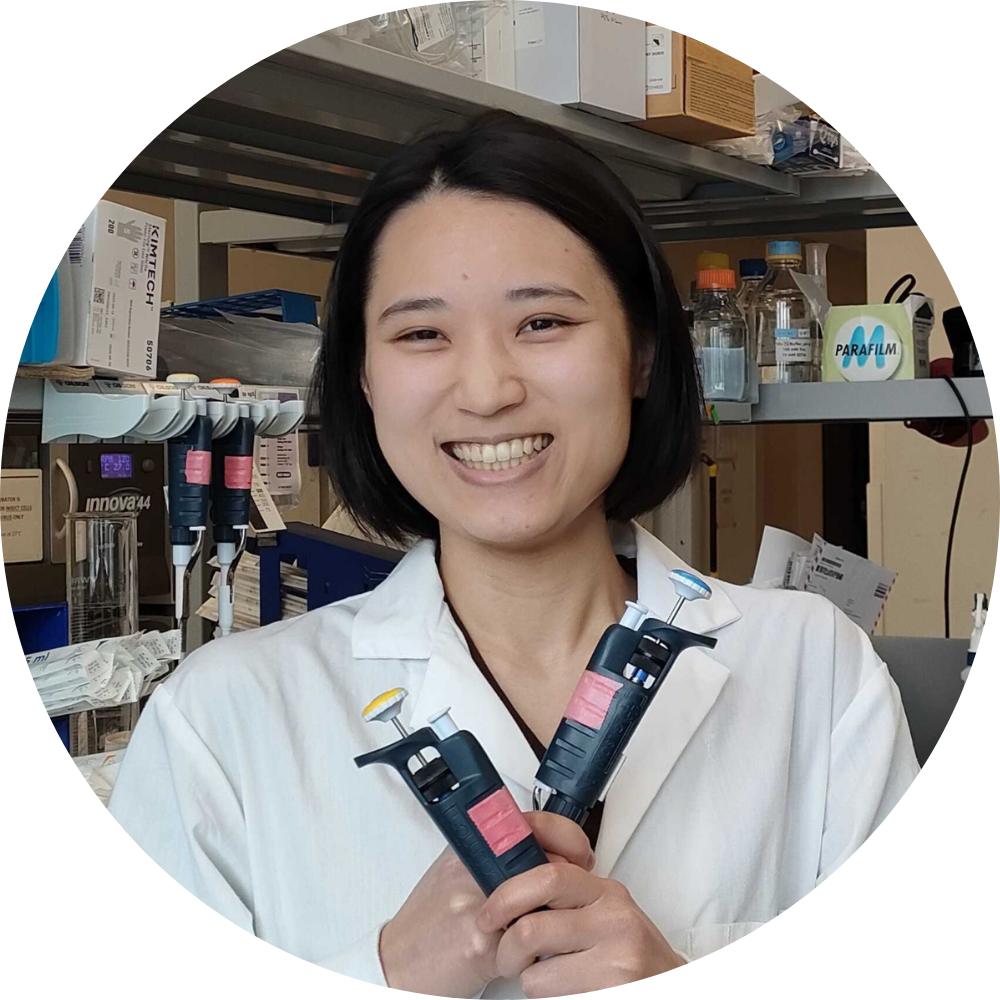
Mayu Shimomura
Mitochondrial DNA Elimination in Sperm
Thomas Hurd, Department of Molecular Genetics University of Toronto
Walid Houry, Department of Biochemistry, University of Toronto

Stephanie Liu
Mitochondrial DNA Mutations in the Development of Pathological Clonal Hematopoiesis
Steven Chan, Department of Medical Biophysics, University Health Network
Thomas Hurd, Department of Molecular Genetics, University of Toronto

Victoria Echezarreta
Taffazzin and abhd18 Genetic Interactions in a Zebra Fish Model for Barth Syndrome
Jason Moffat, Department of Genetics, Hospital for Sick Children, University of Toronto
Ian Scott, Department of Stem Cell and Cancer Biology, Hospital for Sick Children, Department of Molecular Genetics, University of Toronto

Yasmin Abdelkader
Integrated Omics and Bioinformatics Approaches to Identify the Role of Mitochondria Dysfunction Related Pathways in Pregnancy Associated Breast Cancer
Hagar Labouta, Li Ka Shing Institute, Unity Health
Christine Allen, Department of Chemical Engineering and Applied Chemistry, University of Toronto

Yejin Kang
Circulating Cell-Free Mitochondrial DNA as a Marker of Cognitive Trajectory and Treatment Response in Vascular Mild Cognitive Impairment
Krista L. Lanctôt, Department of Pharmacology & Toxicology and Psychiatry, University of Toronto
Ana Andreazza, Department of Pharmacology & Toxicology, University of Toronto

Yiyang Lv
Harnessing Vagal Nerve Function to Curb Dementia
Minna Woo, Departments of Medicine, Institute of Medical Science,
Immunology, and Pharmacology and Toxicology, University Health Network, University of Toronto
Thomas Prevot, Departments of Psychiatry, Pharmacology and Toxicology, Campbell Family Mental Health Research Institute, University of Toronto
MITO2i Graduate Student Scholarships of 2022, 2023, 2024, and 2025 were funded in part by:

The Hospital For Sick Children (SickKids)

The University Health Network

Sunnybrook Health Sciences Centre

Unity Health Toronto
Yejin Kang
Circulating Cell-Free Mitochondrial DNA as a Marker of Cognitive Trajectory and Treatment Response in Vascular Mild Cognitive Impairment
Krista L. Lanctôt, Department of Pharmacology & Toxicology and Psychiatry, University of Toronto
Ana Andreazza, Department of Pharmacology & Toxicology, University of Toronto
Vascular mild cognitive impairment (vMCI) is an early and high-risk stage of cognitive decline with limited treatment options. Growing evidence suggests that oxidative stress and mitochondrial dysfunction play a central role in disease progression.
This project explores circulating cell-free mitochondrial DNA (ccf-mtDNA) as a promising blood-based biomarker to guide antioxidant treatment with N-acetylcysteine (NAC). In a 24-week randomized controlled trial, NAC significantly reduced ccf-mtDNA levels compared to placebo, supporting its potential biological impact.
Ongoing analyses will determine whether ccf-mtDNA can predict which patients benefit most from NAC and monitor treatment response over time. Establishing ccf-mtDNA as a treatment-responsive biomarker could pave the way for precision, mechanism-based therapies aimed at slowing cognitive decline in vMCI.
Keywords: vascular mild cognitive impairment, vMCI, ccf-mtDNA, N-acetylcysteine, cognitive decline, mitochondrial dysfunction, biomarker
Lucas Anderson
Mitochondrial Quality Control as a Therapeutic Target in Heart Failure
Jason Maynesna Konvalinka, Department of Anesthesia and Pain Medicine, Hospital for Sick Children, Department of Biochemistry, University of Toronto
John Coles, Division of Cardiovascular Surgery, Hospital for Sick Children, University of Toronto
Heart disease is the leading cause of morbidity and mortality worldwide. For normal function, the heart requires a continuous and substantial supply of ATP (~6kg daily), 95% of which is derived in the mitochondria from oxidative phosphorylation. Mitochondria are highly dynamic organelles
whose functional integrity is regulated through cycles of fission and fusion, key processes that repair mitochondria to maintain quality. A hallmark of cardiac dysfunction is the dysregulation of mitochondrial quality control pathways. Excessive mitochondrial fission in cardiomyocytes and cardiac fibroblasts causes pathological remodelling of the mitochondrial network, leading to oxidative stress and inefficient ATP generation. Mitochondrial fission is mechanically facilitated by the GTPase dynamin-related protein 1 (DRP1). DRP1 activity is mediated by the adaptor protein mitochondrial fission factor (MFF); an intrinsically disordered, C-tail anchored, outer mitochondrial membrane protein. Alternative splicing within the intrinsically disordered region of MFF gives rise to the expression of up to five isoforms, each with distinct sites of post-translational modification. We have observed differential expression of these MFF isoforms in cardiac dysfunction, yet their physiological roles and impact on mitochondrial quality control and cellular function remain poorly understood. As the primary mediator of mitochondrial fission, we hypothesize that the regulation of MFF splice isoform expression is altered in cardiac dysfunction, detrimentally affecting mitochondrial processes including quality control pathways, oxidative phosphorylation, and calcium homeostasis. MFF may then represent a novel metabolic therapeutic target for restoring mitochondrial function in heart failure.
Keywords: heart disease, heart, ATP, cardiomyocytes, cardiac fibroblasts, mitochondrial fission, DRP1, MFF
Victoria Echezarreta
Taffazzin and abhd18 Genetic Interactions in a Zebra Fish Model for Barth Syndrome
Jason Moffat, Department of Genetics, Hospital for Sick Children, University of Toronto
Ian Scott, Department of Stem Cell and Cancer Biology, Hospital for Sick Children, Department of Molecular Genetics, University of Toronto
Barth syndrome (BTHS) is a rare X-linked disorder caused by mutations in the TAFAZZIN gene, which encodes a mitochondrial enzyme essential for the synthesis of cardiolipin, the signature phospholipid of mitochondria. BTHS leads to severe mitochondrial defects, cardiomyopathy, and early mortality. A cell-based genetic screen from the Moffat lab (SickKids) identified a strong positive genetic interaction between TAFAZZIN and ABHD18, an uncharacterized enzyme, where ABHD18 loss rescued the fitness of TAFAZZIN-deficient cells.
To explore this genetic interaction in vivo, Victoria is establishing a zebrafish BTHS model. To date, an antisense morpholino knockdown strategy targeting Tafazzin recapitulated BTHS-related cardiac phenotypes. Complementary experiments tested a small covalent inhibitor of ABHD18, ABD646, as a potential therapeutic agent. Work in progress includes the generation of zebrafish tafazzin and abhd18 mutant lines to explore this genetic interaction throughout development.
This research reveals a novel in vivo genetic interaction between tafazzin and abhd18, and identifies ABHD18 as a promising therapeutic target to mitigate mitochondrial dysfunction in BTHS. These findings demonstrate the power of zebrafish to uncover genetic modifiers and drug targets relevant to mitochondrial disease. Ultimately, this work may inform new strategies to treat cardiomyopathies and heart failure linked to impaired mitochondrial lipid remodeling.
Keywords: Barth Syndrome, X-linked, TAFAZZIN gene, mitochondrial defects, cardiomyopathy, zebrafish, genetic modifiers, drug targets
Yiyang Lv
Harnessing Vagal Nerve Function to Curb Dementia
Minna Woo, Departments of Medicine, Institute of Medical Science,
Immunology, and Pharmacology and Toxicology, University Health Network, University of Toronto
Thomas Prevot, Departments of Psychiatry, Pharmacology and Toxicology, Campbell Family Mental Health Research Institute, University of Toronto
Dementia cases are expected to rise dramatically in the coming decades, with type 2 diabetes (T2D) representing a major risk factor due to its links with insulin resistance, chronic inflammation, and mitochondrial dysfunction, processes that also affect the brain and can lead to cognitive impairment. Restoring insulin signaling and mitochondrial health has therefore emerged as a promising therapeutic avenue. The vagus nerve (VN) is the primary nerve of the parasympathetic nervous system that controls various organ systems, and more recently, it has been shown to modulate inflammation through the “anti-inflammatory” reflex. Importantly, vagus nerve function declines with age, which may underlie progressive chronic inflammation and coincide with increased risk of type 2 diabetes and dementia. Furthermore, the VN has been identified to influence insulin sensitivity, neuroinflammation, and mitochondrial function. Our lab has developed a mouse model with enhanced vagal insulin signaling through selectively knocking out Pten, one of the negative regulators of insulin signaling, in Phox2B-expressing cells representative of autonomic neurons. We have demonstrated that these mice have enhanced vagal output and are protected from inflammation and insulin resistance in a high-fat diet-induced model of diabetes.
Building on this research, my project will investigate whether these mice are also protected against high-fat diet-induced mitochondrial dysfunction and cognitive decline. To achieve this goal, I will combine behavioural testing with molecular and mitochondrial analyses to determine the extent of protection against cognitive decline and mitochondrial dysfunction in our experimental mouse model compared to wild-type controls.
Keywords: Dementia, type 2 diabetes, T2D, insulin signaling, vagus nerve, nervous system, cognitive function
Stephanie Liu
Mitochondrial DNA Mutations in the Development of Pathological Clonal Hematopoiesis
Steven Chan, Department of Medical Biophysics, University Health Network
Thomas Hurd, Department of Molecular Genetics, University of Toronto
Clonal hematopoiesis (CH) describes the expansion of a subset of hematopoietic stem cells and progenitors (HSPCs) due to acquired somatic mutations that confer a fitness advantage. Loss-of-function in ten-eleven translocation 2 (TET2) is one of the top, CH-associated mutations. TET2 is a methylcytosine dioxygenase that regulates DNA methylation, and its loss causes DNA hypermethylation. Clonal expansion in TET2-mutated CH leads to a myeloid skew and inflammation, increasing the risk of CH developing into hematological malignancies such as acute myeloid leukemia (AML). However, not all cases of CH progress into AML. There is a need to identify additional drivers that support malignant transformation. Mitochondrial DNA mutations that impact the electron transport chain are recurrently identified in AML and CH patients, with mutations in Complex I ND5 occurring at the highest frequency. CH patients that carry mitochondrial DNA mutations are 12x more likely to develop a myeloid malignancy, and there is an association with worse overall survival in AML. This suggests that mitochondrial DNA mutations in CH may function as a modifier that enhances clonal fitness, promoting a permissive state to acquiring secondary, leukemia-driving mutations for malignant transformation.
The project aims to determine the functional significance of mitochondrial DNA mutations in a TET2 loss-of-function context and whether the combination confers a clonal fitness advantage. A MitoTALEN DddA-derived cytosine base editor (DdCBE) system stably introduces SILENT (Q200Q) or NONSENSE (Q199STOP) mutations in Complex I subunit ND5 in a TET2 KO background. TET2 KO ND5 NONSENSE increased proliferation and sustained self-renewal across serial colony formation platings, suggesting enhanced clonal fitness. An increase in IL1b and ROS production indicates the fitness phenotype may be dependent on an inflammatory state. Characterizing the mechanism of clonal fitness conferred by mitochondrial DNA mutations will improve understanding of leukemogenesis and help define critical targets for intervention.
Keywords: clonal hematopoesis, acute myeloid leukemia, DNA mutations, AML

Huanyi Zhang
Uncovering Genetic Regulators of Intercellular Mitochondrial Transfer in Parkinson's Disease Models
Valerie Wallace, Donald K. Johnson Eye Institute, Krembil Research Institute, University Health Network
Anaurag Tandon, Department of Medicine, University of Toronto
Mitochondrial dysfunction is a key factor in neurodegenerative diseases, where compromised quality control and energy production lead to progressive neuronal loss. Parkinson’s disease (PD) is a neurodegenerative disorder marked by progressive motor impairments and selective degeneration of dopaminergic neurons, and emerging evidence implicates mitochondrial dysfunction as a key contributor to disease progression. Recent studies suggest intercellular transfer of healthy mitochondria may provide a compensatory pathway to alleviate mitochondrial dysfunction in PD, yet the regulators of this process remain largely unknown. We hypothesize that horizontal mitochondrial transfer may influence PD progression. To test this hypothesis, we propose the following two aims. First, we will identify novel regulators of horizontal mitochondrial transfer using a CRISPR-Cas9 loss-of-function screen. To track mitochondrial transfer, we will implement mitoTRACER, a Cre recombinase-based reporter system, to permanently mark mitochondria transfer events. Hits identified will be validated in secondary assays and further tested in vivo using a photoreceptor transplantation model established in the Wallace Lab. Second, we will test the role of known PD-associated genes in mitochondrial transfer. We will engineer cell lines with knockouts of PARKIN and PINK1 or overexpression of pathogenic variants such as SNCA A53T and LRRK2 G2019S. Mitochondrial transfer efficiency will be tested using the mitoTRACER system. By systematically identifying regulators of mitochondrial transfer, this project will reveal potential therapeutic targets that could enhance protective transfer and slow neurodegeneration.
Keywords: mitochondrial dysfunction, neurodegenerative disease, Parkinson’s Disease, mitoTRACER, CRISPR-Cas9
Gabriel Siebeger
Mitochondrial Transplantation to Recover Injured Donor Lungs and Increase Organ Availability for Patients on the Transplant Waitlist
Marcelo Cypel, Division of Thoracic Surgery, University Health Network, Professor of Surgery, University of Toronto
Ana Andreazza, Department of Pharmacology & Toxicology, University of Toronto
Lung transplantation is the only effective therapy for patients with end-stage lung diseases. Despite the development of many innovative strategies, 80% of donor lungs are not used for transplant due to concerns about organ quality, while waitlist mortality continues to rise. In this context, Ex-Vivo Lung Perfusion (EVLP), a clinical technique developed in Canada that allows donor lungs to be evaluated out of the body before transplantation, provides a valuable opportunity not only for organ assessment, but also for potential repair.
My project targets a key reason for why lungs fail: dysfunctional mitochondria. Previous work on EVLP supported the relevance of mitochondria on transplant outcomes. In a large-animal study, our team has recently shown that mitochondrial transplantation (MT), a technique that entails providing functioning mitochondria to damaged tissues, can improve the performance of injured lungs during EVLP, suggesting a path to make more lungs transplant-ready. There are no studies to date demonstrating such benefit in injured human organs. Therefore, we plan to address this key translational step preceding clinical trials by utilizing human lungs declined for clinical transplantation and consented for research. We will perform MT during EVLP to evaluate if we are able to recover lung function similarly to what we attained in our pre-clinical studies.
By turning currently unusable lungs into viable grafts, our work aims to increase the number of transplants, shorten wait times, and reduce deaths on the waitlist.
Keywords: lung, lung transplant, transplantation, EVLP, ex-vivo, mitochondrial transplantation
Alex Chen
Ultrasound-Guided Photoacoustic Monitoring of Mitochondrial Therapies
Eno Hysi, Keenan Research Center for Biomedical Science, Unity Health, Department of Medical Biophysics, University of Toronto
Ori Rotstein, Department of Surgery, University of Toronto
Ischemia and reperfusion injury (IRI) is a common consequence of kidney and liver transplantations because of the disruption and re-introduction of blood flow to the organ. IRI can
induce inflammatory immune responses that can lead to acute rejection, delayed graft function, and interstitial fibrosis years post-transplant. In my project, we propose an experimental treatment to potentially minimize the IRI-induced damages using mitochondrial transplants (MitoTx). MitoTx can re-establish/regulate the mitochondrial homeostasis and its role in the electron transport chain and calcium transport. In doing so, MitoTx can reduce the production of reactive oxygen species, reduce cellular apoptosis, improve organ functionality, and promote repair. We propose to use ultrasound-guided photoacoustic imaging (USPA) to quantify the effects of MitoTx on minimizing IRI-induced damages in a portable, radiation-free and non-invasive manner. USPA delivers short pulses of laser light into the organ, inducing a thermoelastic expansion, and detecting the backscattered acoustic pressure waves to provide a non-invasive, real-time monitoring tool that produces high-resolution structural kidney images. Moreover, by delivering different wavelengths of light, oxygenation saturation levels of the organ can be collected. USPA can also be performed intraoperatively, providing clinicians with
real-time feedback on the effectiveness of the MitoTx treatments.
Keywords: ischemia-reperfusion-injury, IRI, kidney, liver, mitochondrial transplant, photoacoustic imaging, imaging, ultrasound-guided photoacoutstic imaging, UGPI
Lilian Huang
Enhancement of Mitochondrial Function Through Pharmacological Approaches as a Treatment for Ischemia-Reperfusion-Injury Following Hemorrhagic Shock/Resuscitation
Ori Rotstein, Department of Surgery, University of Toronto
Eno Hysi, Keenan Research Center for Biomedical Science, Unity Health, Department of Medical Biophysics, University of Toronto
Liver ischemia-reperfusion injury (IRI) is a common pathological mechanism underlying many clinical situations, including hemorrhagic shock/resuscitation (HS/R), posing major challenges to global healthcare and economies. Oxygen deprivation and restoration during IRI induce mitochondrial (MT) dysfunction, leading to ATP depletion, increased oxidative stress, and mitochondrial DNA (mtDNA) damage, ultimately contributing to cell death, inflammation, and tissue damage.
Previous work by our research team demonstrated that in mouse and porcine models, mitochondrial transplantation (MTx) can restore MT function, alleviate hepatocellular injury, and reinstate organ integrity and normal function following liver IRI. Currently, isolating MT is time-consuming and cannot be preserved for long periods, making MTx less feasible for patients who require urgent treatment including in the prehospital setting.
One potential alternative approach is to enhance mitochondrial function using pharmacological means. AP39 is a compound supplying hydrogen sulphide (H₂S) that targets and enhances MT functions. As an electron donor, H₂S regulates and supports MT electron transport and ATP production. My project aims to investigate the effects of the drug AP39 on organ inflammation/injury in a mouse model of liver IRI. We hypothesize that the administration of a mitochondrial-enhancing agent (e.g. AP39) mitigates liver IRI.
Keywords: ischemia-reperfusion-injury, IRI, mitochondrial transplantation, hemorrhagic shock, resuscitation, liver
Yasmin Abdelkader
Integrated Omics and Bioinformatics Approaches to Identify the Role of Mitochondria Dysfunction Related Pathways in Pregnancy Associated Breast Cancer
Hagar Labouta, Li Ka Shing Institute, Unity Health
Christine Allen, Department of Chemical Engineering and Applied Chemistry, University of Toronto
This project focuses on developing an organ-on-a-chip model of pregnancy associated breast cancer (PABC) to investigate the molecular profile associated with tumor and placenta in PABC specifically in relation to oxidative stress and mitochondrial dysfunction using multi-omics approach and then testing several interventions to target stress in PABC.
Keywords: pregnancy, breast cancer, PABC, placenta, oxidative stress, mitochondrial dysfunction, organ-on-a-chip
Mads Loewith
Rapid Screening of Forensic Biological Evidence using Digital Microfluidics-Driven Mitochondrial Haplogroup Assays
Aaron Wheeler, Department of Biomedical Engineering, Chemistry, University of Toronto
Ana Andreazza, Department of Pharmacology & Toxicology, University of Toronto
Forensic laboratories receive a high volume of evidence submissions. Despite best efforts to increase forensic lab throughputs, that demand often surpasses evidence processing capacity, leading to backlogs. To efficiently allocate time and resources, scientists must prioritize evidence that will yield the most probative results. My research project intends to develop an assay-based screening tool that can rapidly determine the mitochondrial haplogroups of forensic samples. Such a device would allow investigators to quickly and effectively assess multiple pieces of evidence at the scene of a crime or mass-casualty incident. The rapid identification of mitochondrial haplogroups for evidentiary items allows for comparison to known victim or suspect haplogroups, thus ensuring that the most probative evidentiary items be selected for full DNA analysis and interpretation.
I will be conducting this project in two phases. First, recombinase polymerase amplification (RPA) methods will be tested to determine an optimized protocol for mtDNA extraction and amplification and develop a multiplex assay that allows for determining the haplogroup without requiring sequencing. Once the assay has been developed, the second phase of my project will attempt to automate the protocol by transferring the process to a digital microfluidic (DMF) chip.
Keywords: Forensics, evidence, screening tool, haplogroups, identification, RPA, mtDNA
Caresse Nian
Development of Polymeric Coatings and Viability Assays for Improving Mitochondria Transplantation
Frank Gu, Department of Chemical Engineering and Applied Chemistry, University of Toronto
Ana Andreazza, Department of Pharmacology & Toxicology, University of Toronto
Mitochondrial transplantation has emerged as an innovative approach in addressing a wide range of unmet medical needs. However, clinical translation and scalability are greatly limited by the short lifespan of isolated mitochondria and reliance on expert operators. My project aims to address these challenges by (1) defining the baseline decay kinetics of isolated mitochondrial viability, (2) identifying and optimizing a library of material coatings capable of prolonging lifespan using this baseline, and (3) supporting the development of an automated pipeline capable of material mixing, mitochondria coating, and viability assaying. Together, these goals will provide the infrastructure necessary to translate mitochondrial transplantation into the clinic.
Keywords: mitochondrial transplantation, clinical translation, scalability, isolated mitochondria, decay, coating, material mixing, automation
Emily Fujiwara
Mitochondrial Gene Delivery for GRIN 1 Neurodevelopmental Disorder
Amy Ramsey, Department of Pharmacology & Toxicology, University of Toronto
Bowen Li, Leslie Dan Faculty of Pharmacy, University of Toronto
This project focuses on developing a gene therapy approach for GRIN disorders, which are a group of rare neurodevelopmental disorders caused by mutations in the N-methyl-D-aspartate (NMDA) receptor. The NMDA receptor is important for normal brain development and synaptic signaling. Loss of GRIN1 function can lead to severe symptoms, including developmental delay, epilepsy, and cognitive impairment, and there are currently no treatments that address the underlying cause of the disease.
This project researches the use of mitochondria as a novel delivery platform for GRIN1 gene therapy. While traditional delivery systems such as viral vectors and lipid nanoparticles have had important advances, they have run into challenges related to targeting, immune responses, and payload size. Mitochondria offer a potential alternative since their biology may support delivery to the brain with reduced immune effects. Using a mouse model with reduced GRIN1 expression, I will test whether mitochondrial delivery of GRIN1 DNA can restore gene expression in the brain and rescue behavioral deficits. The project combines behavioral testing with molecular and cellular analyses to evaluate expression and distribution of the delivered gene. Overall, this work aims to test mitochondrial-based gene delivery as a potential therapeutic strategy for rare neurological disorders.
Keywords: gene therapy, GRIN disorders, rare disease, NMDA receptor, genetics, GRIN1
Dide Yurtal
Investigating the Therapeutic Mechanism of Mitochondrial Transplant Patients in Models of Ischemia-Reperfusion Injury (IRI) to Optimize Uptake and Retention of Transplanted Mitochondria
Milica Radisic, Institute of Biomedical Engineering, University of Toronto
Ana Andreazza, Department of Pharmacology & Toxicology, University of Toronto
This project is focused on investigating the therapeutic mechanism of mitochondrial transplantation in engineered, induced pluripotent stem cell-derived cardiac tissue with the aim of optimizing mitochondria delivery to improve clinical application. The project will be relying on biomedical engineering technologies, such as hydrogel scaffolds, to mimic native heart tissue in vitro and model injuries such as ischemia-reperfusion injury (IRI).
Keywords: ischemia-repurfusion-injury, IRI, mitochondrial transplantation, delivery, biomedical engineering, in vitro model, heart
Mayu Shimomura
Mitochondrial DNA Elimination in Sperm
Thomas Hurd, Department of Molecular Genetics University of Toronto
Walid Houry, Department of Biochemistry, University of Toronto
Maternal inheritance of mitochondrial DNA (mtDNA) is nearly universal among eukaryotes, yet the mechanisms that prevent paternal mtDNA from being inherited remain obscure. In both Drosophila and humans, paternal mtDNA is actively eliminated during spermatogenesis, producing mature sperm with mitochondria that lack their genomes. My project focuses on a previously uncharacterized nuclease in Drosophila that I have identified as being responsible for this process. My findings reveal a new strategy by which animals block paternal genetic contribution to the mitochondria that power the next generation.
